
Where Are We?
The waters off Duncans Bay/Silver Sands are home to a vast 75 hectare seagrass meadow in pristine condition and crystal clear waters. The meadow ends at an emerging barrier reef crest that extends for 3 kilometres along the Silver Sands main beach before continuing around the Braco peninsula.
This long line of coral hardground slopes to circa 10 meters where it becomes a linear system of fringing spur-and-groove channels, whose buttresses were formerly built from the very species we are growing in our nurseries.
On the inside of the lagoon in the eastern section of the bay, locally known as Harmony Hall beach, there is a well developed shallow reef with healthy populations of various boulder coral species.
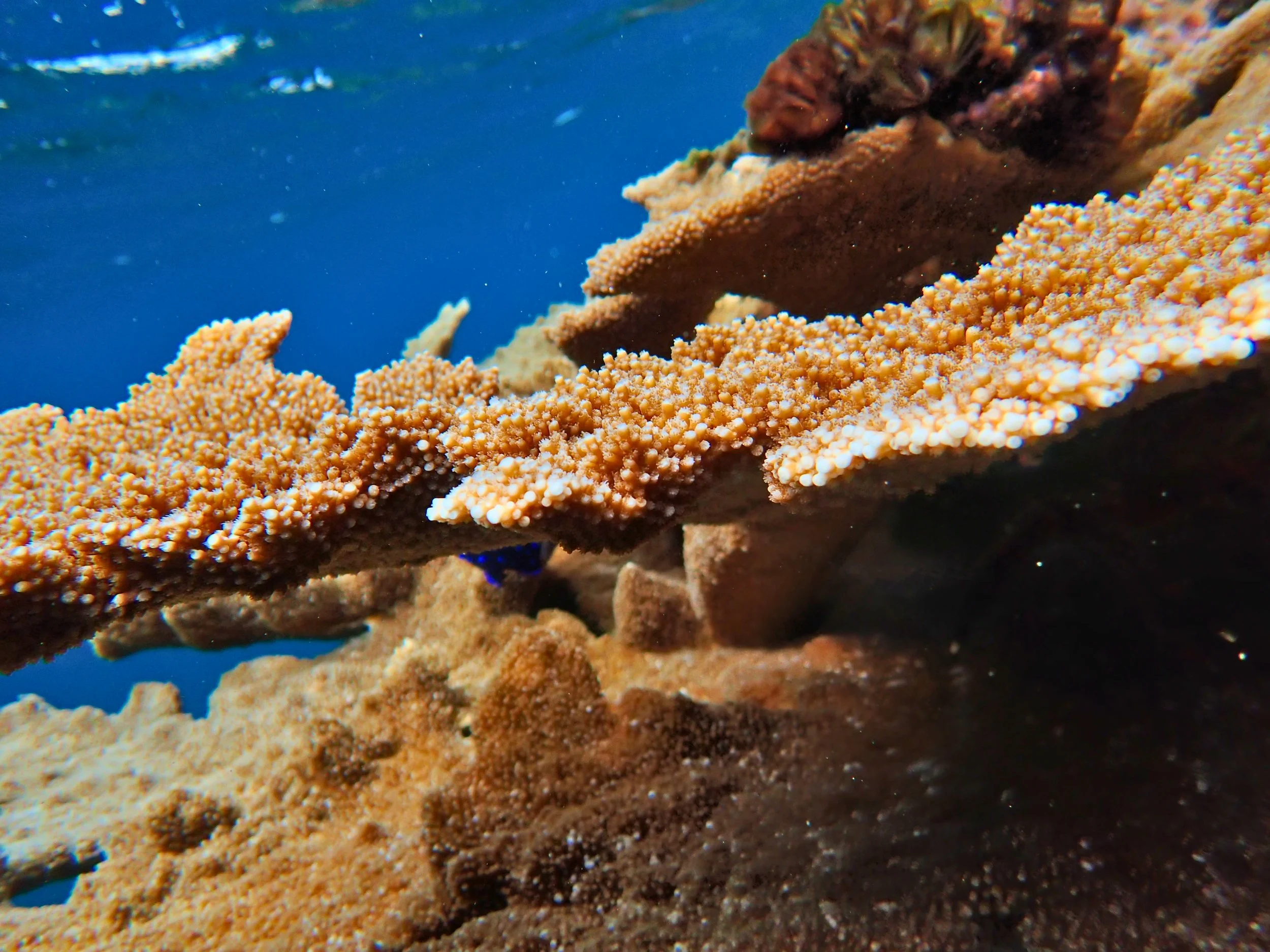
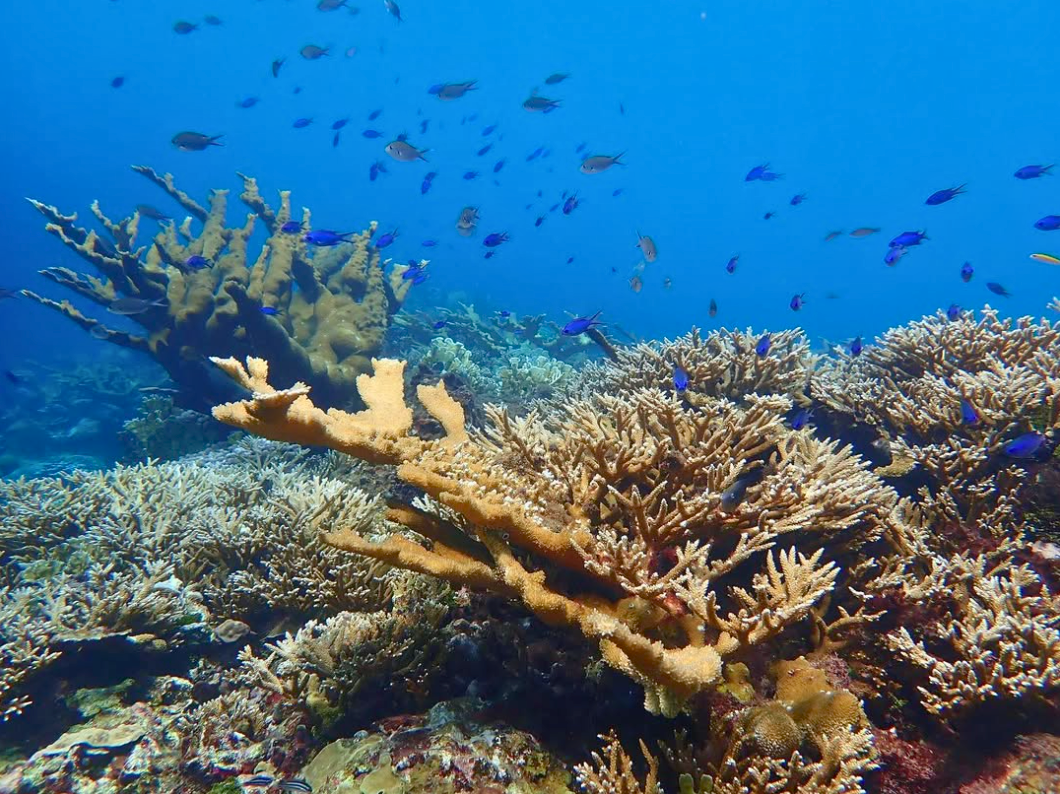
Today, the reef crest is stabilised by the interlocking branches of historical Elkhorn (Acropora palmata) skeletons. Large sections of this hardground are covered in pinkish calcareous algae which is prime habitat for reseeding with juvenile corals. Most of it, however, is largely overgrown with thick macroalgae.
According to a survey by the Georgia Aquarium sponsored by DBMS founding members in 2019, macroalgae accounted for roughly 70% of the benthic cover on the reef slope.
For the most part, the shallow waters off Harmony Hall, around the bend from Braco are built of vast gardens of freshly killed elkhorn, subject to the 2023 heatwave, whose skeletons swiftly began to erode with the onset of winter storms.
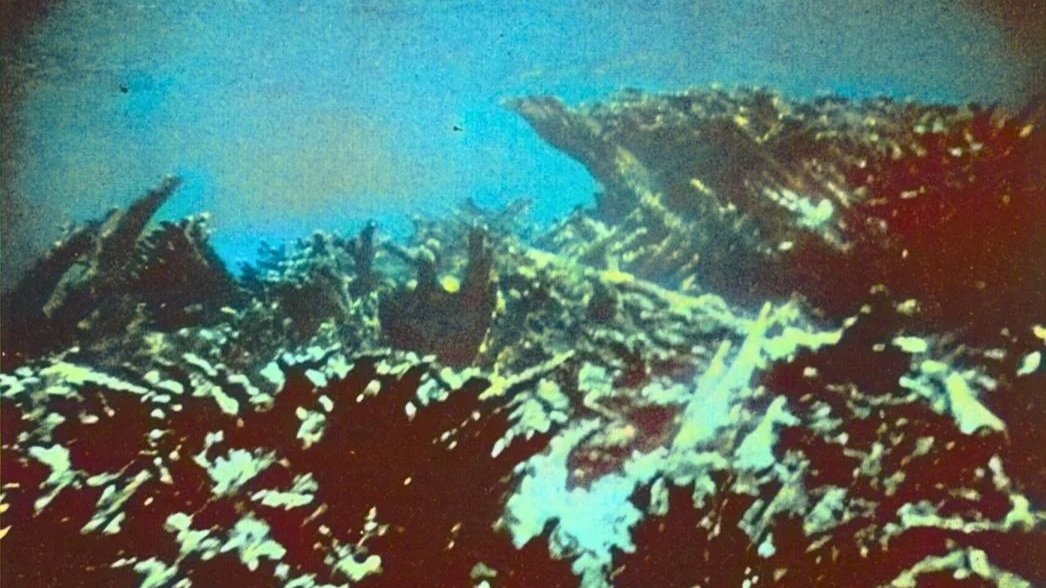
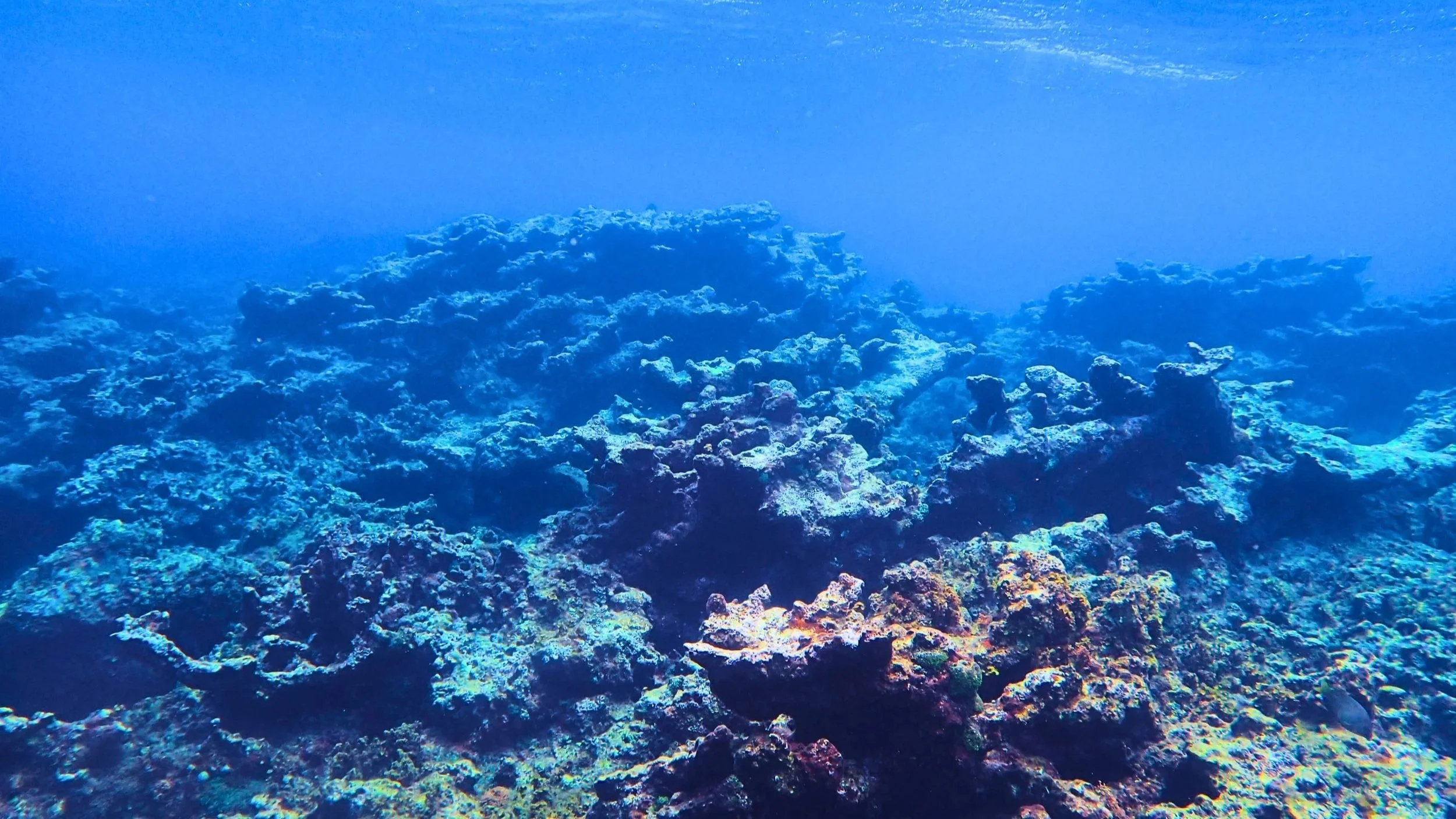
Stacks of branching Elkhorn coral built the Silver Sands reef crest. An identical habitat type is photographed in black and white by Dr. Thomas F. Goreau in front of the Ocho Rios marina in 1956 (left), colour corrected here using digital software. The same site is photographed in 2024 (right), showing the bio-eroded skeletons of these same corals which once touched the surface, casting a golden glow beneath it. Their fronds posed a mortal threat to unlucky sailors. Meanwhile for generations they buffered the coast from extreme weather.
September 2023
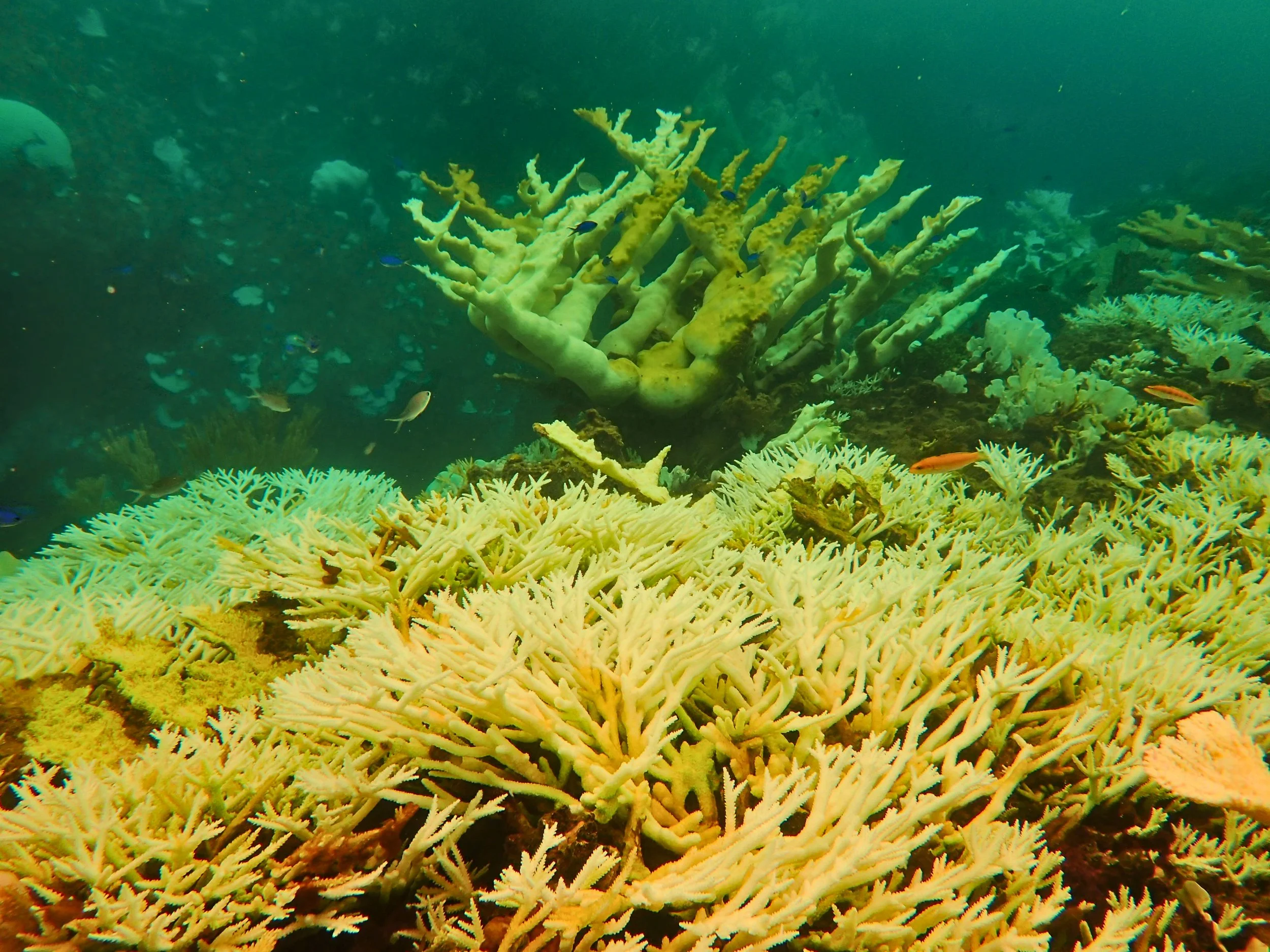
October 2023
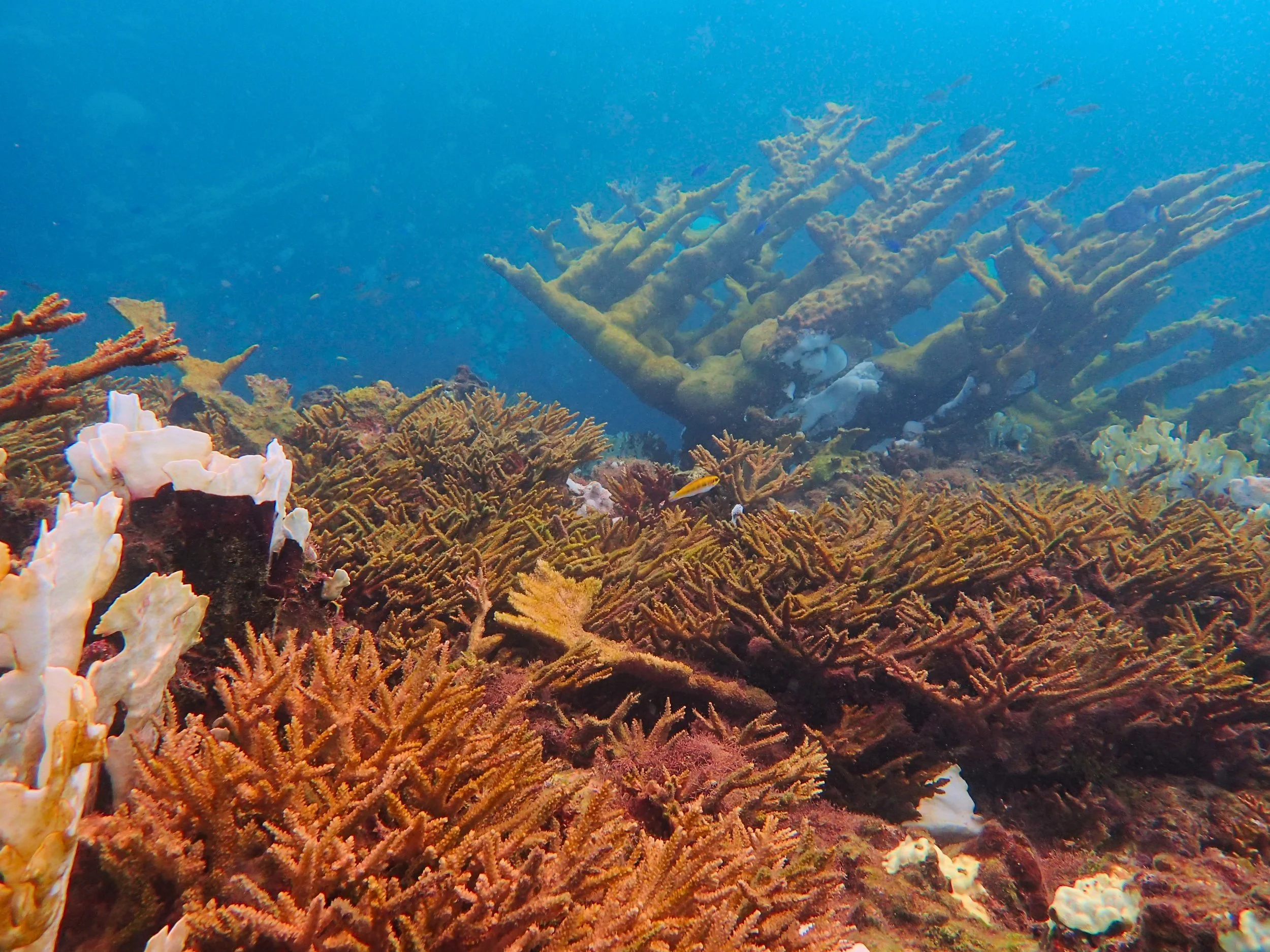
November 2023
The same site at Rio Bueno, Trelawny at the eastern end of our coral harvesting range, photographed periodically over the course of the 2023 El Niño-Southern Oscillation. The images depict the before, during and after stages of the bleaching event and showcase the speed and scale of the mass mortality.
Fish life in Jamaica is infamously poor. The same 2019 survey indicated that small parrotfishes dominated the spur-and-groove system in the circa 10 meter threshold. Unable to attain maturity and reproduce, these important herbivores fail to keep the macroalgae community under control. Similarly, black long-spined sea urchins, which are also keystone algae grazers, were in very low density according to the study.
Although our top reef health indicator species like shark are mainly migratory, there appear to be resident nurse sharks and eagle ray schools along the main reef.